Skip Dolsan's Oyster Grill, and You Haven't Really Been to Yeosu
the taste of Yeosu winter
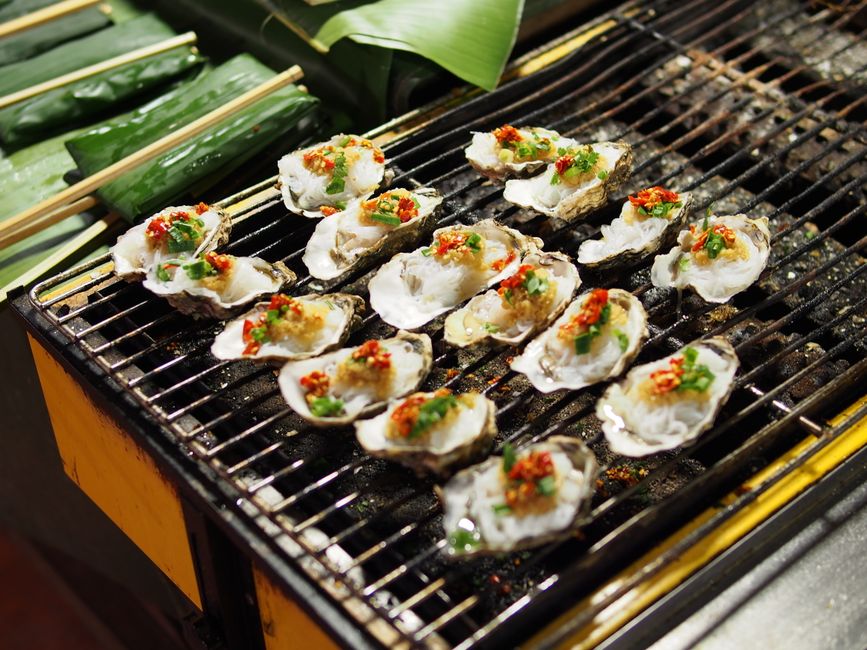
Say 'Dolsan' in Yeosu and most people think of mustard-leaf kimchi or the sunrise at Hyangiram first, but in winter you can actually smell Dolsan before you see it. Once the cold wind picks up past mid-October, charcoal braziers and grills come out along the roadside restaurants in Dolsan-eup, and the smell of oysters sizzling and popping open fills the whole alley. Dolsan oysters, raised in the waters off Yeosu, aren't too big or too small, and they're known for a firm, springy bite — the kind of thing that'd be a shame to skip on a Yeosu trip this time of year. Today, Sudal's breaking down what the Dolsan oyster-grill alley is like and how to make the most of it.
Why Dolsan Oysters Have Such a Reputation
The waters off Yeosu run strong with sharp shifts in temperature, and that's exactly what makes the oysters raised here so firm and dense. Compared to the oysters you'd find at a big supermarket, Dolsan oysters aren't necessarily bigger — but plenty of people say one bite makes the difference in texture obvious right away, springy and tight. This isn't an oyster that wins on size; it's one you remember for texture and aroma. The season runs from mid-October through February, and the meat plumps up more as the weather turns colder. As is generally known, summer oysters fall in spawning season and aren't really eaten then, and the Dolsan oyster-grill alley follows that same rhythm, with a clear peak season and a quiet stretch. So if you happen to stop by in summer and find the oyster grills quiet or leaning on other menu items, don't think it's odd — winter is this alley's main stage.
Dolsan oysters aren't about size. They're about texture.
— 🦦 SudalIt's Not Just Charcoal-Grilled — the Cooking Styles Go Well Beyond That
Say 'Dolsan oyster grill' and most people picture oysters laid whole on a grill over charcoal, but the oyster dishes in this neighborhood don't stop there. There's gul-jjim, oysters steamed in a big pot; gul-bap, rice cooked with oysters that fills the air with their aroma; gul-jeon, a pancake mixed with chives or batter; and even gul-ramyeon, oysters dropped into a hot bowl of noodle soup — all made from the same ingredient. Sit down and the happy dilemma starts right away: which style to order first. If it's your first time, start with the charcoal-grilled oysters and finish with gul-bap.
For the grilled version, the oysters go onto the grill still in their shells, and the trick is pulling them off the moment the shell pops open just slightly. Leave them on too long and the meat turns tough with nothing but salt coming through. Gul-bap is made by cooking oysters right into freshly steamed rice and letting it steam a bit longer, so every grain of rice picks up the oyster's aroma — savory and salty enough that you don't even need a sauce. Mixing a raw egg or some seaweed flakes into the leftover gul-bap is another local move worth trying.
So Where Exactly Is This Oyster-Grill Alley?
Dolsan-eup sits right on the way to Hyangiram and Dolsan Bridge, so it's a neighborhood most Yeosu trips pass through at some point anyway. Along the roadside and back alleys of Dolsan-eup, several restaurants specializing in oyster dishes cluster together, which is why locals simply call it the 'Dolsan oyster-grill alley.' It's not just one famous shop — it's a whole row of them standing side by side, so in winter the smoke and smell of grilling oysters spread across the entire block. Some places have held their ground here for decades, while others opened more recently, giving the alley a layered, well-worn feel.
There's no need to fixate on one particular place. Since most restaurants in this alley use oysters from the same local waters, the oysters themselves don't vary much in taste from shop to shop — what differs is the side dishes, the vinegar-chili sauce, and the broth the oysters are cooked in. First-timers can walk into whichever spot has easy parking or open seating without much risk of going wrong. Honestly, the real charm of this alley is working your way through a few visits until you find the one that suits your taste.
Timing Is Everything — When and How to Enjoy It
Oyster grilling is a seasonal dish, so timing your visit matters most. Starting mid-October, oysters get better as the weather gets colder, and hitting the deep winter stretch between December and February gets you oysters at their absolute best. In summer, on the other hand, it's spawning season, and both freshness and flavor drop off, so it's smarter to go looking for a different seasonal Yeosu dish then. Pair the trip to Dolsan with a Hyangiram sunrise or the night view at Dolsan Bridge, and you'll get a full day out of the drive.
Rather than dunking oysters straight into the vinegar-chili sauce, try the first bite or two plain, letting the oyster's own aroma and saltiness come through first. From there, adding chojang or sesame oil sauce lets you enjoy both the oyster's natural flavor and the seasoning. If you're drinking, plenty of people find makgeolli pairs better with oysters' distinct aroma than sharper soju does.
SOODAL's Tip · Seats get hard to find in the oyster-grill alley on winter weekend evenings. Go early on a weekday evening, or since several places sit right next to each other, just move next door if one's packed.