The Rails That Reached Yeosu, Told by Sudal the Otter
Hello, Yeosu friends! I'm Sudal, the otter who swims around Yeosu's coastline. Today I want to tell you a very special story about how Yeosu got connected to the mainland — a story about trains, and about the railway tracks themselves. These days, hopping on the KTX and zipping up to Seoul feels completely normal, but back in the day, just having a train reach Yeosu at all was a huge deal. Every time I watch a train rumble along those tracks, I find myself wondering: when, and how, did this railway ever reach all the way to Yeosu? So let's slow down and follow that story together today — how the tracks got here, and how they changed Yeosu along the way.
The Jeolla Line: Connecting Iksan and Yeosu
The railway that runs through Yeosu, the Jeolla Line, connects Iksan in North Jeolla Province with Yeosu. The stretch reaching all the way to Yeosu is said to have opened sometime in the 1930s, during the Japanese colonial period. I'll be honest, I can't tell you the exact year or all the details of how it happened — I'd rather not state that with false confidence — but across several records, it's said that the tracks reached Yeosu around that time. When I first heard this, it felt like some distant story from long, long ago. But thinking it over, it hit me: that distant story is the very root of the Yeosu Station we stand at today.
When you really think about it, that must have been an incredible feat. Back then, roads weren't paved everywhere the way they are now, and cars were far from common. For a railway to reach all the way to Yeosu in times like that meant Yeosu was no longer just an isolated town at the edge of the sea — it became a place truly connected to the inland. Yeosu before the tracks and Yeosu after the tracks might have been more different than we can even imagine. When I picture that long line stretching all the way from Iksan to Yeosu, I can't help imagining how amazed the people of Yeosu must have felt, watching a train pass by for the very first time. Just one line drawn on a map — and yet that single line changed the whole future of Yeosu. It's a strange, wonderful thing to sit with.
How the Tracks Changed Yeosu's Daily Life
After the railway opened, daily life for the people of Yeosu must have shifted bit by bit. Yeosu has long been known for its rich seafood, pulled straight from the sea. The story goes that once the tracks were laid, it became far easier to send that seafood inland to all sorts of places. What used to travel only by boat could now be loaded onto trains and sent farther, faster — linking Yeosu's sea to a much wider world. Imagining fresh seafood, unloaded from a boat that very morning, riding a train out to some distant town the same day — the railway must have felt like a real lifeline to the people of Yeosu back then.
People's movement changed too. Long journeys that once required walking or boarding a boat could now be covered in a single train ride. For everyone leaving Yeosu for elsewhere, and everyone coming back into Yeosu, the tracks opened up a brand new door. As people and goods began moving back and forth, Yeosu, little by little, found itself standing shoulder to shoulder with a bigger world. Someone probably rode those tracks off to the city in search of an education; someone else probably rode them back home to Yeosu after a long time away. All those small stories, added together, shaped the Yeosu we know today. Railway tracks, I've come to think, were never just two lines of steel — they were a path where people's whole lives traveled.
With a single railway laid down, Yeosu became a town connected not just to the sea, but to the land as well.
— 🦦 SudalFrom Yeosu Station to Yeosu Expo Station, a Story That Keeps Going
The railway history that began this way still continues today. The Yeosu Expo Station we know now was newly built for the 2012 Yeosu Expo. I've already told that expo story in detail elsewhere, so today I'll just touch on it lightly. But every time I look at that station, my attention keeps drifting past its flashy exterior toward the old tracks laid beneath it.
What I really wanted to say today is this: that station didn't just spring up out of nowhere one day. It exists because of the long history that began with the tracks laid in the 1930s — the history that connected Yeosu to the mainland for so many years. The railway carried on across the eras, and all the countless hours that passed over it became a page in Yeosu's own history. Next time you pass through Yeosu Station or Yeosu Expo Station, I hope you'll take a moment to think of the old tracks running underneath. From the very moment a train first reached Yeosu, long ago, to the train you might ride today — it's all one continuous line.
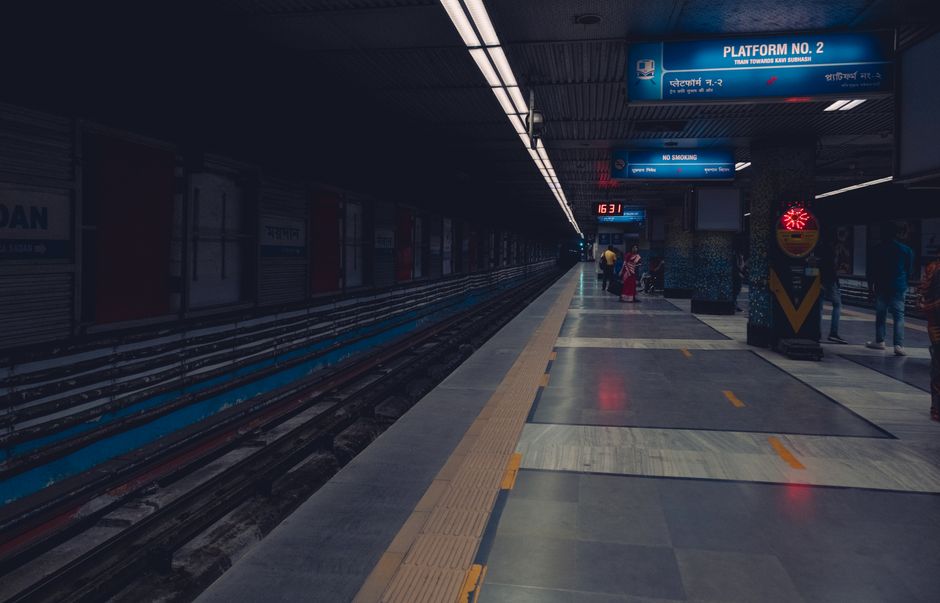
SOODAL's Tip · If you're curious about traces of the old railway, a slow walk around Yeosu Station is a great place to start.